The Roman Historia: A Premium Serif Font for Crafters
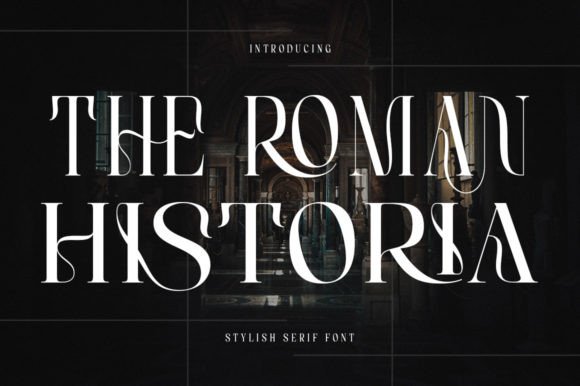
As a maker, I know that the difference between a product that sells and one that gets lost in the scroll often comes down to typography. We spend hours selecting materials, perfecting our cuts, and refining our packaging, but if the text on our labels or invitations feels generic, the entire design loses its impact. This is why discovering The Roman Historia felt like finding a missing piece in my creative toolkit. It is not just another digital download; it is a stylish serif font crafted with care to ensure premium quality and a luxurious feel. For those of us running small shops, creating printables, or designing handmade goods, this typeface offers the perfect blend of classic elegance and modern readability.
Why Serif Fonts Matter in Handmade Branding
In the world of handmade goods, authenticity is everything. Customers are drawn to items that feel personal, high-quality, and thoughtfully designed. Serif fonts, with their distinctive strokes and traditional roots, inherently convey a sense of trust, history, and sophistication. The Roman Historia leans into these qualities without feeling stuffy or outdated. Its visual personality is warm yet authoritative, making it an ideal choice for brand identity work where you want to establish immediate credibility.
When you use a premium font like this on your product labels, you are signaling to your customer that attention to detail was paid at every stage of production. Whether you are selling artisanal candles, boutique skincare, or custom stationery, the typography acts as the voice of your brand. A well-chosen serif font can elevate a simple kraft paper tag into a luxury experience. It creates an emotional appeal that connects with buyers who value aesthetics and craftsmanship.
Practical Applications for Makers and Sellers
The versatility of The Roman Historia makes it a workhorse for various craft projects. Because it is designed to stand out, it performs exceptionally well in display settings. Here are some specific ways I have integrated this font into my product lines:
- Product Labels and Packaging: The clean lines of this serif font remain legible even at smaller sizes, which is crucial for candle jars, soap wrappers, and cosmetic bottles. It provides enough contrast against textured backgrounds like recycled paper or matte vinyl.
- Wedding Stationery and Invitations: For invitation designers, this font strikes the right balance between formal and inviting. It works beautifully for couple names, dates, and venue details on wedding suites, save-the-dates, and menu cards.
- Wall Art and Printables: If you create digital downloads for Etsy, this typeface is perfect for quote prints, nursery art, or minimalist home decor. Its luxurious feel adds value to printable products, allowing you to charge a premium for high-design assets.
- Signage and Welcome Boards: For physical events or farmhouse-style decor, The Roman Historia cuts cleanly on Cricut and Silhouette machines. It holds its shape well in vinyl or wood, making it ideal for welcome signs, shop window decals, and seasonal decorations.
Readability and Technical Considerations
One of the biggest challenges for crafters is ensuring that a decorative font remains readable. The Roman Historia is crafted with care to ensure that its stylish elements do not compromise clarity. However, when using any serif font for physical products, there are best practices to follow. For small stickers or tiny product tags, avoid using the font at extremely small point sizes where the serifs might blur or break during printing. Always test print a sample at your intended size to check for ink bleed or cutting issues.
If you are using this font for SVG-style designs or laser cutting, ensure that your nodes are clean. Serif fonts can sometimes have delicate connections that require careful weeding if you are working with adhesive vinyl. For digital printables, the high resolution of the font files ensures crisp edges on both screen and paper, maintaining that premium look across all mediums.
Mastering Font Pairing for Maximum Impact
To get the most out of The Roman Historia, consider how it interacts with other typefaces. A common mistake among new designers is pairing two similar serif fonts, which can create visual clutter. Instead, try pairing this expressive serif with a clean sans serif font for body text or secondary information. The contrast between the structured elegance of the serif and the simplicity of the sans serif creates a modern, balanced layout.
Alternatively, for a more romantic or whimsical feel, pair The Roman Historia with a flowing script font or handwritten font. Use the serif for main titles or headers to ground the design, and let the script add a personal touch for accents or signatures. This combination works particularly well for wedding invitations, greeting cards, and boutique branding where you want to convey both professionalism and warmth.
Checking File Formats and Features
Before incorporating any new typeface into your workflow, it is essential to review the included features. While The Roman Historia is described as a stylish serif font, checking for alternates, ligatures, and swashes can unlock even more creative potential. These features allow you to customize letters for logo design or unique headings, giving your work a bespoke look that standard fonts cannot match. Ensure you have access to the necessary file formats, such as OTF or TTF, for compatibility with your design software, whether you are using Adobe Illustrator, Canva, or specialized cutting machine software.
Additionally, if you plan to sell internationally or create multilingual designs, verify the character set support. A comprehensive font family will include extended language support, allowing you to serve a broader customer base without needing to purchase additional typefaces.
Understanding Commercial Licensing
For small business owners and commercial craft sellers, understanding font licensing is non-negotiable. When you purchase The Roman Historia, ensure that the license covers your intended use. Most premium fonts offer commercial licenses that allow you to use the typeface in physical products you sell, such as mugs, shirts, tote bags, and printed invitations. However, rules regarding digital templates, SVG designs for resale, or web design may vary.
Always read the end-user license agreement (EULA) carefully. If you are creating client work, such as logo design or packaging design for a third party, confirm that your license permits this usage. Investing in a properly licensed commercial font protects your business and ensures that you are respecting the intellectual property of the type designer. It is a small step that contributes to a sustainable and ethical creative community.
Incorporating The Roman Historia into your design assets is more than just a aesthetic choice; it is a strategic move to enhance your brand identity. By combining its luxurious feel with practical application techniques, you can create products that not only look beautiful but also resonate deeply with your customers. Whether you are designing social media graphics, web design elements, or physical merchandise, this serif font provides the professional polish needed to make your creative projects stand out in a crowded marketplace.